
Spreads Raw+ en direct : le tableau que l'effet de levier ne peut pas faire bouger · FxPro Maroc
Les spreads réels que nous avons enregistrés sur le flux MetaTrader 5 Raw+ de FxPro — 6 instruments, 4,058,108 ticks échantillonnés, dernière capture le 2026-09-13. Le spread sur lequel vous tradez réellement, et non un « à partir de 0.0 » marketing.
Ouvrir un compte FxPro →Rien dans les relevés de cette page ne dépend du levier dont vous disposez. Un spread est une distance entre deux prix sur le marché et il est coté par lot : le même relevé s'applique donc à 1:30 comme à 1:200. Le levier intervient ensuite, à deux endroits : il détermine combien de lots un solde peut placer derrière ce relevé, et il détermine combien de marge libre il reste pendant que ces lots le supportent. Une position s'ouvre en affichant le spread comme une perte latente, et les résultats latents font bouger l'equity - c'est pourquoi le même élargissement est à peine visible sur un compte peu engagé et significatif sur un compte pleinement engagé.
Voici le flux de spreads mesurés en direct, heure par heure (actualisé chaque jour). Pour la comparaison des coûts Standard vs Raw+ et les frais, voir notre spreads et coûts page.
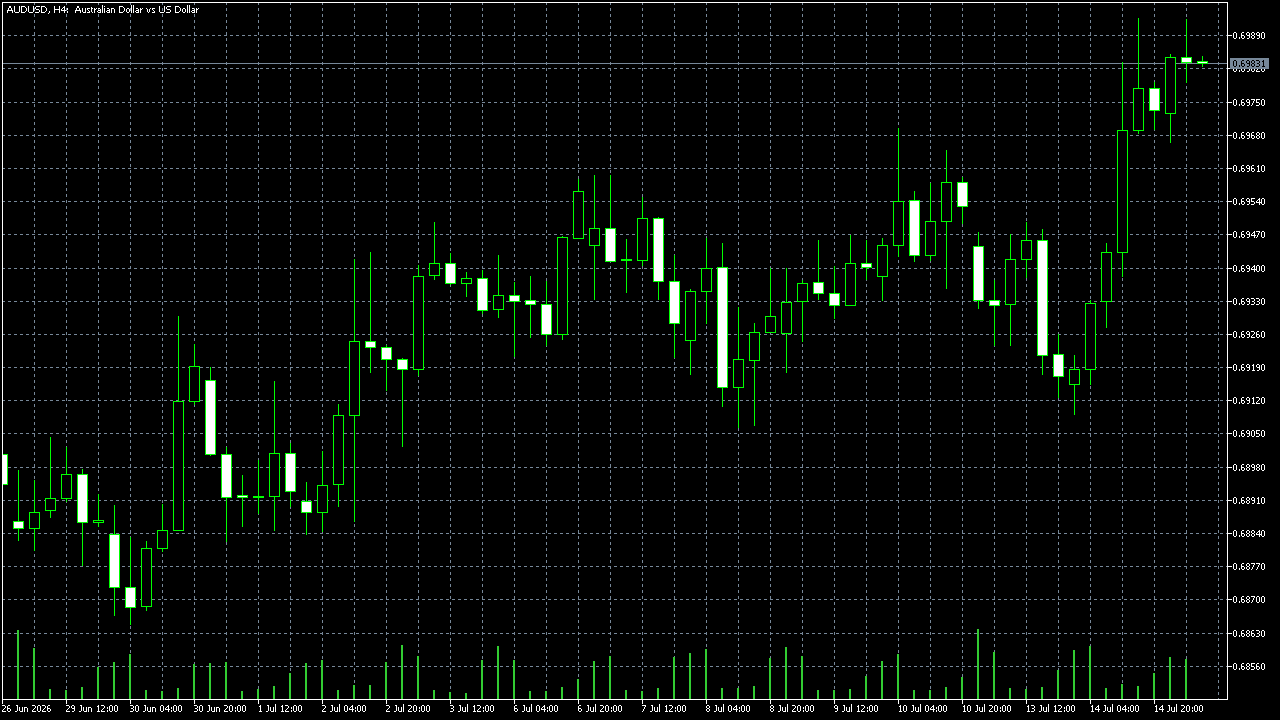
Spreads Raw+ mesurés (pips)
| Instrument | Meilleur (min) | Typique (médiane) | Marché actif (p90) | Au relevé | Ticks échantillonnés |
|---|---|---|---|---|---|
| EUR/USD | 0.2 | 0.2 | 0.2 | 0.3 | 475,591 |
| GBP/USD | 0.6 | 0.6 | 0.6 | 0.7 | 631,015 |
| AUD/USD | 0.2 | 0.4 | 0.8 | 0.3 | 589,239 |
| USD/CAD | 0.1 | 0.4 | 0.5 | 0.2 | 575,031 |
| USD/JPY | 0.3 | 0.3 | 0.5 | 0.4 | 714,772 |
| XAU/USD (Or) | 15 | 15 | 19 | 16 | 1,072,460 |
Meilleur = la cotation la plus serrée observée en marché calme ; Typique = la médiane sur laquelle vous tradez habituellement ; Marché actif = le spread plus large à prévoir environ 10% du temps (news, rollover, liquidité mince). « Au relevé » est le spread en direct à la dernière lecture. Les métaux comme XAU/USD utilisent une taille de contrat différente : leur coût en cash figure sur notre page or page. Serveur FxPro-MT5 Demo, flux 2026.09.11 23:59:35.
Le spread au fil de la journée (mesuré, dernières 24h)
| Instrument | Le plus serré (moy.) | Le plus large (moy.) | Pic le plus marqué | Au fil de la journée |
|---|---|---|---|---|
| EUR/USD | 0.2 (02:00) | 1.595 (23:00) | 3.7 (23:00) | |
| GBP/USD | 0.6 (03:00) | 11.794 (23:00) | 19.9 (14:00) | |
| AUD/USD | 0.294 (21:00) | 7.104 (23:00) | 25 (23:00) | |
| USD/CAD | 0.296 (21:00) | 11.11 (23:00) | 25 (23:00) | |
| USD/JPY | 0.3 (08:00) | 13.781 (23:00) | 17.2 (14:00) | |
| XAU/USD (Or) | 15 (08:00) | 111.429 (23:00) | 175 (00:00) |
Les horaires du tableau sont ceux de FxPro heure serveur (environ UTC+3 / EET) ; les indications mises en évidence ci-dessus sont affichées en WEST. Spread moyen en pips par heure sur les dernières 24 heures, avec le pic le plus élevé sur un seul tick. Les spreads sont les plus serrés pendant le pic de chevauchement Londres–New York et s’élargissent autour du rollover serveur de 00:00 ainsi que durant les heures asiatiques moins liquides — la sparkline représente le profil quotidien de chaque instrument.
Ce que cela vous coûte par lot (Raw+)
| Instrument | Spread typique | Coût du spread / lot | Commission (aller-retour) | Tout compris / lot | Tout compris (pips) |
|---|---|---|---|---|---|
| EUR/USD | 0.2 pip | $2.00 | $7.00 | $9.00 | 0.9 pip |
| GBP/USD | 0.6 pip | $6.00 | $7.00 | $13.00 | 1.3 pips |
| AUD/USD | 0.4 pip | $4.00 | $7.00 | $11.00 | 1.1 pip |
| USD/CAD | 0.4 pip | $2.88 | $7.00 | $9.88 | 1,37 pips |
| USD/JPY | 0.3 pip | $1.95 | $7.00 | $8.95 | 1.38 pips |
| XAU/USD (Or) | 15 pips | $15.00 | $7.00 | $22.00 | 22 pips |
Coût tout compris aller-retour pour un lot standard (100,000 unités) : spread typique × valeur du pip, plus la commission Raw+ de $7 ($3.50 par lot et par sens ($7.00 aller-retour) sur les comptes Raw+ et cTrader). Sur un compte Standard, vous payez un spread plus large au lieu de cette commission — voir le détail des spreads et coûts page.
Ouvrir un compte FxPro →Le « à partir de 0.0 » annoncé vs ce que nous avons mesuré
FxPro promeut Raw+ avec des spreads « à partir de 0.0 pip » — un plancher idéal. Sur notre échantillon, la cotation EUR/USD la plus serrée enregistrée était de 0.2 pip et la valeur typique de 0.2 pip. C’est normal : le chiffre « à partir de » est un plancher sur lequel vous tradez rarement — jugez donc un compte Raw+ sur son spread typique et sur son élargissement en charge (la colonne p90), pas sur le chiffre d’accroche.
Notre méthode de mesure
- Relevé sur un compte MetaTrader 5 Raw+ de FxPro — le flux de prix réel du broker, pas une estimation tierce.
- Relevé dans le terminal par un expert advisor MQL5 qui enregistre le bid et l’ask de chaque tick : le spread correspond donc exactement à ce qu’affiche la plateforme.
- 4,058,108 ticks répartis sur 6 instruments ; les chiffres sont actualisés selon un calendrier défini.
- Les comptes démo et réels Raw+ partagent le même flux de prix : ces spreads sont donc représentatifs d’un compte financé.
Les spreads sont variables et s'élargissent autour des annonces à fort impact et du rollover quotidien. Les relevés passés ne garantissent pas les spreads futurs. Dernière mise à jour le 2026-09-13.
À l'entrée, c'est un coût. Tant que vous détenez la position, cela fait partie de l'equity
Le spread est payé une seule fois, mais il reste visible aussi longtemps que la position est ouverte, car un achat est valorisé de l'autre côté de la cotation dès sa première seconde. Chaque élargissement ultérieur déplace le résultat latent de la même façon, sans que le prix auquel vous avez été exécuté ne change en quoi que ce soit. C'est ce qui en fait une histoire de coût à l'entrée et une histoire de marge pour tout le reste du trade.
La marge libre, c'est ce qu'il reste à l'equity après l'immobilisation : tout ce qui fait bouger l'equity fait donc bouger la marge libre à l'identique. Un élargissement du type de ceux que relève la colonne « marché agité » ci-dessus n'est donc pas seulement une moins bonne entrée pour le prochain trade. Sur des positions déjà ouvertes, c'est une réduction en direct du coussin, et cela se produit sans que le marché ait bougé d'un pouce.
Pourquoi un même relevé n'a pas le même effet selon deux réglages de levier
Prenez un seul relevé et deux comptes ayant le même solde. Celui qui est au réglage le plus bas peut porter moins de lots : l'effet en espèces d'un élargissement est donc plus faible et la marge immobilisée contre laquelle il s'inscrit est plus élevée. Celui qui est au réglage le plus élevé peut en porter davantage, et le cas intéressant est de voir ce qui se passe s'il le fait.
Dépensez la marge libérée en lots supplémentaires et l'immobilisation revient à peu près à son point de départ, alors que l'exposition derrière elle est plusieurs fois plus importante. Le même élargissement fait désormais bouger l'equity plusieurs fois plus, face à un coussin de la taille d'avant. C'est tout le mécanisme par lequel un relevé de spread, qui ne sait rien de votre compte, finit par compter bien plus pour un compte que pour un autre.
Lire cette page pour une position que vous détenez déjà
Pour une entrée, la colonne utile est la colonne typique. Pour une position déjà ouverte, c'est celle du marché agité, car elle décrit le pire de ce que le coussin peut avoir à absorber sans la moindre direction de prix en jeu. Rien de tout cela n'est une prévision ; c'est une fourchette que le même instrument a déjà produite sur le même flux.
L'habitude qui en découle est modeste. Avant d'engager le dernier de votre marge libre, regardez l'écart entre les deux colonnes pour cet instrument et considérez-le comme un mouvement que le compte subira sans l'avoir gagné. Sur un compte peu engagé, c'est du bruit. Sur un compte où l'immobilisation a absorbé l'essentiel du solde, c'est une part de ce qu'il reste, et cela survient des nuits où rien n'a changé dans votre position.
Même relevé, deux réglages de levier, même solde
| Ce que vous lisez | Dépend du réglage de levier ? | Pourquoi |
|---|---|---|
| Le spread en pips ci-dessus | Non | c'est une distance à l'intérieur de la cotation du marché lui-même |
| Coût d'un lot à ce spread | Non | chiffré à partir de la taille du contrat, 100,000 unités sur une paire majeure du Forex |
| La commission dans la colonne tout compris | Non | un montant fixe de $3.50 par lot et par sens |
| Lots que le solde peut placer derrière | Oui | la marge immobilisée correspond au notionnel divisé par le levier |
| Marge libre pendant que la position est en cours | Oui | l'equity moins cette immobilisation |
| Effet d'un élargissement sur le coussin | Oui, par la taille | plus de lots font bouger l'equity davantage pour un même élargissement |
Les trois premières lignes se lisent dans les tableaux mesurés ci-dessus et sont identiques pour tous les comptes. Les trois dernières appartiennent au vôtre.